
The monsoon season in Phoenix brings much-needed rain, but it also brings flooring challenges. The mix of high winds, dust, and sudden downpours can wreak havoc on your home. Whether you’re planning a new floor installation or already have flooring you’re proud of, it’s important to understand how the monsoon season can affect your investment.
Monsoon Season Effect on Flooring
Monsoon season typically runs from June through September. During this time, the air becomes humid, and intense storms hit without much warning. Flooring materials, especially hardwood, laminate, and tile, can be adversely affected by these environmental shifts.
Flooring reacts to humidity, moisture buildup, and flooding. Poor ventilation or open entry points can let moisture seep in. Even high-quality floor installation can fail if your home isn’t prepped for monsoon conditions.
Common Types of Flooring Damage During Monsoon Season
Let’s break down what can happen to various flooring types when the monsoon hits Phoenix:
Warping and Buckling
Wood floors are especially prone to absorbing moisture. As humidity levels rise, planks expand. Without room to breathe, the flooring may warp or buckle. Laminate, which is compressed wood fiber, can show similar issues if seams aren’t sealed.
Tile and Grout Weakness
Tile seems durable, and it is, but grout lines can absorb moisture. Over time, this can lead to mold growth, stains, or even lifting tiles.
Carpet Mold and Mildew
Increased humidity combined with poor airflow creates the perfect environment for mildew. If flooding occurs near entryways or in basements, carpeted floors can become a breeding ground for bacteria.
Slippery Surfaces
Porcelain or ceramic tile can become slippery when wet. Add muddy shoes or paw prints, and your floors become a hazard zone.
How Monsoon Season Can Affect Floor Installation
If you’re installing new flooring during monsoon season, timing and preparation are key. Here’s what every homeowner and contractor should consider:
Material Acclimation
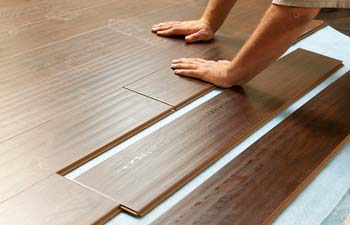
Most types of flooring, especially hardwood, need time to adjust to the room’s humidity. Specifically, during monsoon season, this process is trickier because of fluctuating indoor moisture levels.
Subfloor Moisture Control
If the subfloor isn’t dry, moisture can become trapped. This can cause long-term issues, such as mold or uneven surfaces. A professional installation team should always check and treat subfloor moisture before laying down new flooring.
Weather Delays and Storage
Your materials may arrive early or be stored on-site. However, if stored in a damp area like a garage, they can absorb humidity. Proper indoor storage in climate-controlled environments is essential.
Tips to Protect Your Flooring During Monsoon Season
Seal Entry Points
Make sure your doors, windows, and vents are sealed. Even small gaps can let in humid air or rainwater. Use weather stripping and silicone sealant where needed.
Use Area Rugs in High-Traffic Areas
Entryways and hallways take the biggest hit during monsoon season. Area rugs can absorb water, mud, and dirt, keeping it off your flooring.
Keep Humidity in Check
A home dehumidifier can help regulate indoor moisture. Especially in older homes, high humidity levels can go unnoticed until damage sets in.
Schedule Preventive Maintenance
If you’ve had your flooring for a few years, get it inspected before the season starts. A local expert can spot early signs of damage and recommend solutions.
Act Quickly After Water Intrusion
If water does get in, act fast. Remove standing water, dry the area, and call professionals if needed. Quick action reduces long-term damage.
Why Arizona Homeowners Trust AZ Builder Solutions
At AZ Builder Solutions, we understand Phoenix’s weather patterns and how they affect homes. Our team of skilled professionals knows how to install and protect flooring that stands up to the unique challenges of the Arizona climate.
Whether you’re remodeling, building new, or simply upgrading your floors, our flooring experts provide moisture-resistant options, proper installation techniques, as well as seasonal support. Furthermore, we don’t just install; rather, we protect your investment.
Choosing the Right Flooring for Arizona’s Climate
Not all flooring types are equal when it comes to monsoon season. Here are some options we often recommend to Arizona homeowners:
- Luxury Vinyl Plank (LVP) – Water-resistant and durable. Great for active households.
- Porcelain Tile – Ideal for high-moisture areas. Low maintenance and long-lasting.
- Engineered Hardwood – More stable than solid hardwood. Better suited for variable humidity.
- Concrete Finishes – Trendy and tough. Perfect for modern homes in hot climates.
Our design consultants can walk you through pros and cons of each material and how they perform during the monsoon season.
Final Thoughts
Flooring is a major part of your home’s comfort and value. Don’t let Arizona’s monsoon season catch you off guard. With the right planning and the right team, your floors can look beautiful and last longer, no matter the weather.
If you’re ready for a top quality floor installation, contact AZ Builder Solutions is here to help.